Can Termite Control Services Eliminate Colonies Completely?
Homeowners usually ask a direct question when they discover termite activity: can the colony be wiped out, or is treatment only a way to slow the damage down? It is a fair question, and the honest answer is more nuanced than many marketing claims suggest.
Yes, termite control services can eliminate a colony completely Termite Control Services in many cases. But that outcome depends on the termite species, the size and age of the colony, the location of the nest, the construction of the building, moisture conditions, and whether the treatment plan matches the biology of the infestation. In practice, some colonies are fully eliminated, some are suppressed to the point that damage stops, and some properties need an ongoing management strategy because the surrounding environment keeps inviting new colonies in.
That distinction matters. If a homeowner expects one visit to solve every termite problem forever, disappointment is almost guaranteed. If they understand how professional termite work actually functions, they can make better decisions, ask sharper questions, and judge results more realistically.
What “eliminate the colony” actually means
The phrase sounds simple, but technicians and customers often use it differently. A homeowner usually means every termite connected to the infestation is dead. A pest professional may mean the active colony feeding on the structure has been destroyed or cut off so effectively that no live activity remains in the treated zone.
Those are close, but not always identical outcomes.
With subterranean termites, the colony may be located in soil some distance from the visible damage. Workers can travel surprisingly far through underground tunnels and shelter tubes. In those cases, a treatment may kill the foraging population and transfer toxicant deep enough into the nest to collapse the colony. That is true elimination. But sometimes treatment creates a lethal barrier that stops termites from reaching the house, which protects the structure even if the original colony survives elsewhere in the landscape. For the homeowner, the practical effect may be the same in the short term, but technically the colony still exists.
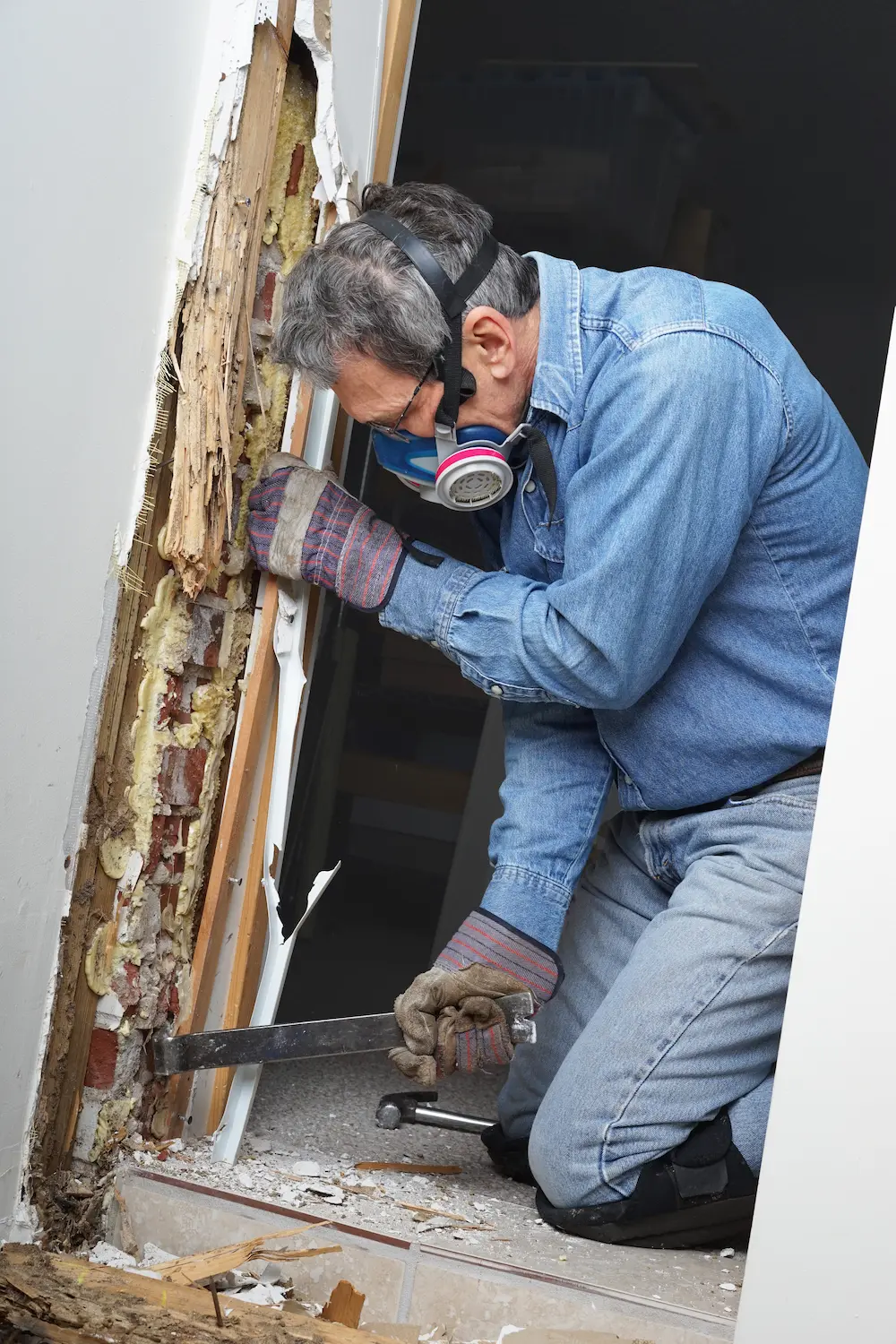
Drywood termites create a different challenge. They live inside the wood they are feeding on, often in smaller, more isolated colonies than subterranean termites. If every infested piece is found and treated properly, elimination can be very straightforward. The problem is finding all of them. A house can have one obvious infestation in a window frame and another hidden pocket in an eave or fascia board that no one notices until months later.
So when people talk about complete elimination, the first question should be: elimination of which colony, in which location, by what method, and verified how?
The answer changes with the termite species
Species drives everything in termite control. If the wrong treatment is used for the wrong termite, results suffer even when the work is done carefully.
Subterranean termites are the most common structural termite issue in many regions. They live in the soil, require moisture, and maintain contact with the ground or a reliable water source. Because they forage widely, modern baiting systems can be very effective at colony elimination. Termites feed on the bait, carry the active ingredient back, and spread it among nestmates. Liquid soil treatments can also be highly effective, but they tend to work differently. Depending on the product and application, they may kill termites directly, transfer among individuals, and create a treated zone around the structure.
Drywood termites do not need contact with soil. They infest dry, sound wood and often enter through tiny cracks around trim, rooflines, vents, or unfinished wood ends. Whole-structure fumigation can eliminate all drywood termites inside the treated structure when performed correctly. Localized spot treatments can also work, but only if the infestation is accurately located and confined. This is where homeowners sometimes hear “colony eliminated” and assume the entire house is termite-free, when in reality only one identified gallery was treated.
Dampwood termites are less common in many residential settings, but when they appear, the fix often depends heavily on moisture correction and wood replacement. The colony can be removed, yet if the leak, drainage problem, or chronic condensation remains, the property stays vulnerable.
Why some termite colonies are easier to eliminate than others
A small, recent infestation in an accessible area is a very different job from a mature colony that has been feeding behind finished walls for years. In the field, a few conditions consistently make complete elimination more difficult.
First, concealed construction limits access. Slab homes, foam insulation, finished basements, complex roof junctions, stone veneers, and interior wall voids can hide activity and prevent direct treatment where it would be most useful.
Second, moisture creates resilience. Termites thrive where leaks, poor grading, clogged gutters, or crawlspace humidity give them stable conditions. Even after a successful treatment, those same moisture sources attract future activity.
Third, partial treatment almost always underperforms. If only the visibly damaged area is treated while the real entry points and foraging paths are ignored, termites often reappear nearby. I have seen this happen with porch posts, garage expansion joints, and bath traps under slab homes. The visible damage drew attention, but the actual route of infestation was elsewhere.
Fourth, surrounding pressure matters. In wooded lots, older neighborhoods, or properties with tree stumps, wood debris, fencing, and chronic irrigation, one eliminated colony does not mean the property is safe from the next one.
How professional termite control services approach true elimination
There is no single universal method because the best approach depends on the infestation. Strong termite control services start with inspection and diagnosis, not with a one-size-fits-all sales pitch.
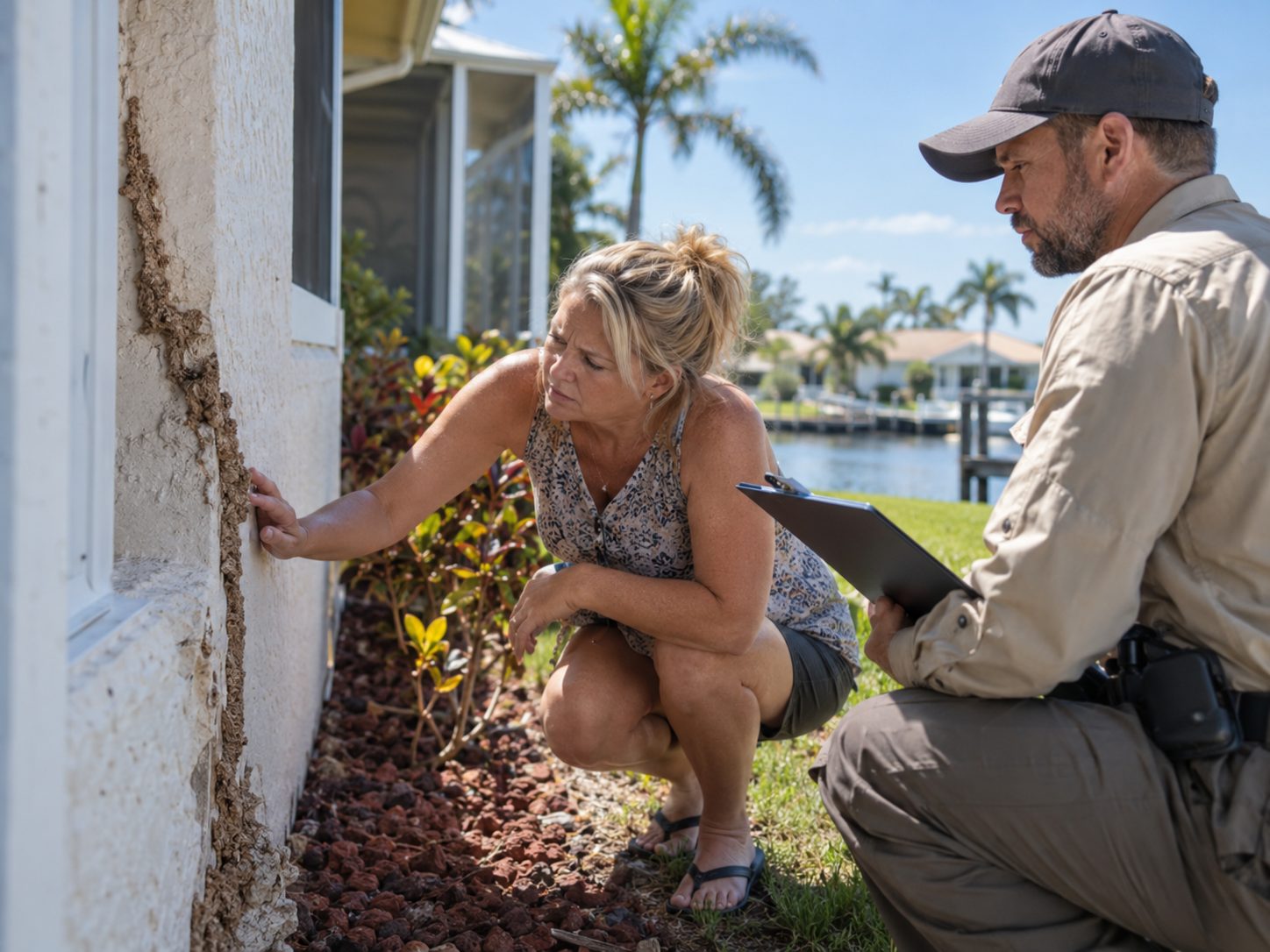
A proper inspection looks for more than insects. It maps moisture sources, structural vulnerabilities, previous treatment evidence, wood-to-soil contact, expansion joints, plumbing penetrations, crawlspace conditions, and subtle signs like blistered paint, frass, mud shelter tubes, or hollow-sounding trim. Good inspection work often decides whether colony elimination is realistic or whether long-term management is the smarter goal.
For subterranean termites, two strategies dominate: liquid termiticides and baiting systems. Liquid treatments are often applied to soil adjacent to the foundation, sometimes by trenching and treating, sometimes by drilling through slabs or attached concrete to reach soil beneath. When done thoroughly, they can create a continuous treated zone that termites cannot pass through without being affected. Some non-repellent products have the additional advantage that termites do not detect and avoid them easily, which improves transfer within the colony.
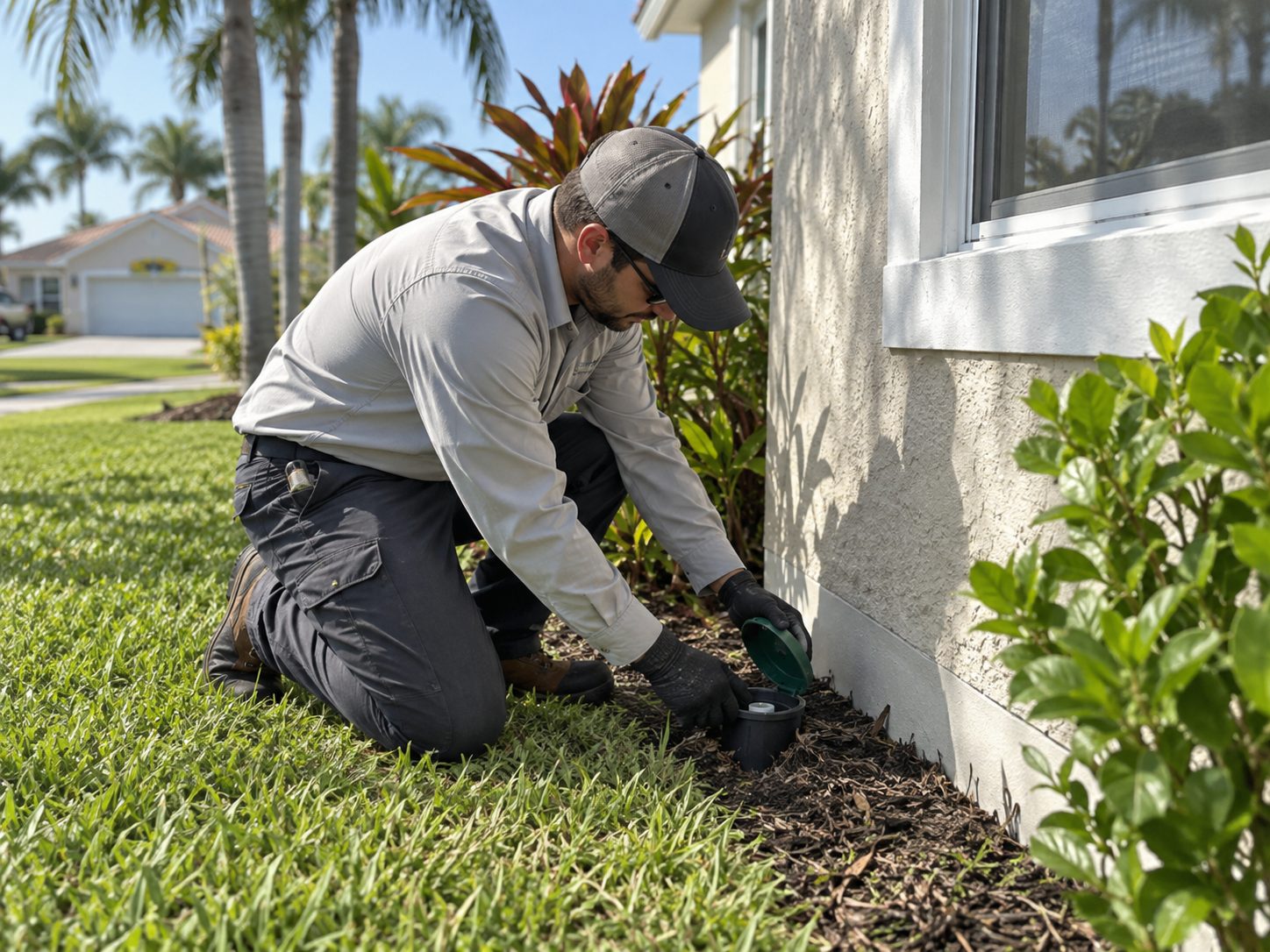
Bait systems take patience. Stations are installed in the ground around the structure and monitored. Once termites begin feeding, the bait is introduced or replaced with an active bait cartridge depending on the system. Baits can eliminate a colony, but not overnight. In many cases, homeowners need to think in months rather than days. That delay makes some people nervous, but it is often a very effective, lower-disruption method.
For drywood termites, the choice often comes down to the scope of infestation. Local treatments can be excellent for isolated attacks in accessible wood. Whole-structure fumigation is the method most likely to eliminate every drywood colony inside the house at one time. Fumigation does not leave a residual barrier, so reinfestation is still possible later, but as a clean-out method for existing drywood activity, it remains one of the most reliable tools available.
Can one treatment solve the problem permanently?
Usually, no. One treatment can eliminate the active colony, but permanence is another matter.
That does not mean the treatment failed. It means termites are part of the environment. If your property sits in an area with active termite pressure, especially warm or humid regions, there is always a chance of future invasion. A home treated successfully today can attract a different colony years later if conditions favor it.
This is one reason warranties and annual inspections are so important. They are not just sales add-ons. They acknowledge the biological reality of termite pressure over time. A good warranty reflects confidence in the treatment while recognizing that homes change. Soil shifts. Landscaping gets added. Irrigation lines leak. Mulch gets piled too high against siding. Patio cracks open new access points.
The better way to frame the issue is this: termite control services can often eliminate the current colony, but keeping a home termite-free requires monitoring, maintenance, and periodic reassessment.
Signs that colony elimination is likely working
Homeowners often expect dramatic evidence, such as dead termites everywhere. That is not how success usually looks.
With subterranean termite treatment, the first positive sign is often the absence of fresh mud tubes after existing tubes are removed or marked and monitored. Another is the end of new damage in previously active areas. If baiting is used, station activity may rise before it drops, which can actually be a good sign because it shows termites are feeding where the toxicant has been placed.
With drywood termites, a reduction or end of fresh frass pellets beneath known kick-out holes can indicate that active galleries have been eliminated. Still, frass alone can be misleading if old pellets were trapped in voids and continue to spill out after treatment.
The most reliable confirmation usually comes from follow-up inspection, not from guesswork. A technician may use moisture readings, sounding, probing, visual evidence, and experience to decide whether the infestation is inactive. In some cases, especially after major structural repairs, monitoring over time is the only responsible answer.
When “complete elimination” claims should make you cautious
Not every termite proposal is dishonest, but some promises are far too absolute for a living structure in a termite-prone environment. Be skeptical if a company guarantees complete colony elimination without discussing species, inspection findings, treatment limits, or follow-up.
A few warning signs tend to stand out:
- the company recommends treatment before identifying the termite species
- the proposal focuses only on the cheapest visible fix and ignores moisture or access issues
- no follow-up inspection or monitoring is included
- the technician cannot explain whether the goal is colony elimination, exclusion, or both
- the warranty language is vague or difficult to pin down
A strong provider should be comfortable discussing uncertainty. That may sound less impressive than a confident sales script, but it usually signals better technical judgment.
Why homeowners sometimes think treatment failed when it did not
Termite biology creates confusing timelines. Wood damaged months or years earlier may only become noticeable after treatment, especially when repairs, painting, or remodeling expose it. That does not necessarily mean termites are still active.
Another common misunderstanding involves swarmers. Winged termites emerging indoors shortly after treatment can alarm homeowners, but a swarm can originate from a colony that was already dying or trapped within a void. The right response is inspection, not panic. Timing matters here. A single post-treatment swarm does not automatically mean failure, but repeated swarm activity over time certainly deserves investigation.
Repairs can also complicate perception. If damaged wood is not replaced, the structure still bears scars of infestation. People may continue tapping soft trim or seeing blistered baseboards and assume active termites remain. The treatment may have worked perfectly, while the old damage still needs carpentry.
The role of construction type and property conditions
Two houses on the same street can have very different outcomes with the same termite species because building details matter.
A raised-foundation home with good crawlspace access is generally easier to inspect thoroughly and treat comprehensively than a slab home with multiple additions, hidden cold joints, and limited drilling options. A home with clean foundation clearance and well-managed drainage presents a much better candidate for long-term success than one with heavy mulch against siding, buried weep screeds, leaky hose bibs, and fence posts tied directly into structural elements.
Properties with mature landscaping can be especially tricky. Tree roots, decorative hardscape, irrigation, and buried utilities may limit station placement or soil treatment continuity. None of these conditions make effective termite control impossible, but they do increase the need for skilled planning and realistic expectations.
I have also seen detached structures create confusion. A detached shed, fence line, or woodpile can support termite activity that is not yet in the house but contributes to constant pressure nearby. A narrow inspection focused only on the main building misses part of the picture.
What complete elimination looks like in real life
The cleanest success stories usually share a few traits. The infestation is identified correctly. The treatment matches the termite species. Access is good enough to apply the plan thoroughly. Moisture and structural conditions are corrected. Follow-up confirms inactivity.
One example is a drywood termite problem isolated to a section of roof framing discovered during a reroof. The affected wood is opened up, the infestation is visible, the damaged members are replaced, and treatment is applied to adjacent vulnerable material. In a case like that, complete elimination is highly realistic because the entire problem area is exposed and addressed.
A harder case is an older slab home with subterranean termites entering through multiple concealed points, previous patchy treatments, heavy irrigation around the perimeter, and inaccessible plumbing penetrations. Colony elimination may still be possible with a careful integrated plan, but certainty is lower and long-term monitoring is essential.
Those differences are why blanket answers do not serve homeowners well.
Questions worth asking before hiring termite control services
You do not need technical training to evaluate a proposal. A few practical questions can reveal whether the company is thinking clearly about colony elimination or simply selling a standard package.
Ask what species is present and how they identified it. Ask whether the treatment is intended to eliminate the colony, block access to the structure, or both. Ask what conditions on the property may reduce effectiveness. Ask what follow-up is included and how success will be verified. Ask what maintenance or repairs you are expected to handle for the treatment to remain effective.
These questions shift the conversation from marketing language to field reality, which is where the quality of termite work really shows.
The most realistic answer
Termite control services can absolutely eliminate colonies completely. In many cases, especially with well-designed baiting systems for subterranean termites or whole-structure fumigation for widespread drywood infestations, complete elimination is a reasonable and achievable goal. But it is not automatic, and it is not the same as permanent immunity from future termites.
The best providers do not oversimplify that truth. They inspect carefully, tailor the treatment to the species and structure, explain what can and cannot be guaranteed, and put equal emphasis on monitoring after the initial work. That approach may sound less dramatic than a promise to “wipe out termites for good,” yet it is far closer to how successful termite management works in actual homes.
If you are weighing options, look for clarity over certainty. The company that explains the biology, the limits, and the plan for verification is usually the one most likely to deliver meaningful results. And when meaningful results in termite work mean the colony is gone, the damage has stopped, and the home is being watched carefully for any return, that is about as close to complete as a homeowner can responsibly ask for.
Maximum Pest Control
836 NE 7th Terrace Suite #5
Cape Coral, FL 33909
+1 239-772-7363
FAQ About Termite Control Services
What are two signs of a termite infestation?
Mud tubes along a foundation and piles of shed wings near doors or windows are two signs to investigate. Mud tubes are associated with subterranean termites. A licensed inspector can identify the insect and assess whether there is active infestation.
How many years does a termite treatment last?
There is no single timeline for all treatments. The method, site conditions, and maintenance affect how long protection lasts. Bait systems rely on monitoring and service. Ask the provider for the recommended inspection schedule and the terms of any coverage.
Is Termite Treatment Expensive in Cape Coral?
Cost depends on the termite species, the size and construction of the property, the extent of activity, and the treatment method. Request a written estimate after inspection and ask whether monitoring, follow-up visits, and renewals are included.