How Termite Control Services Address Subterranean Termites

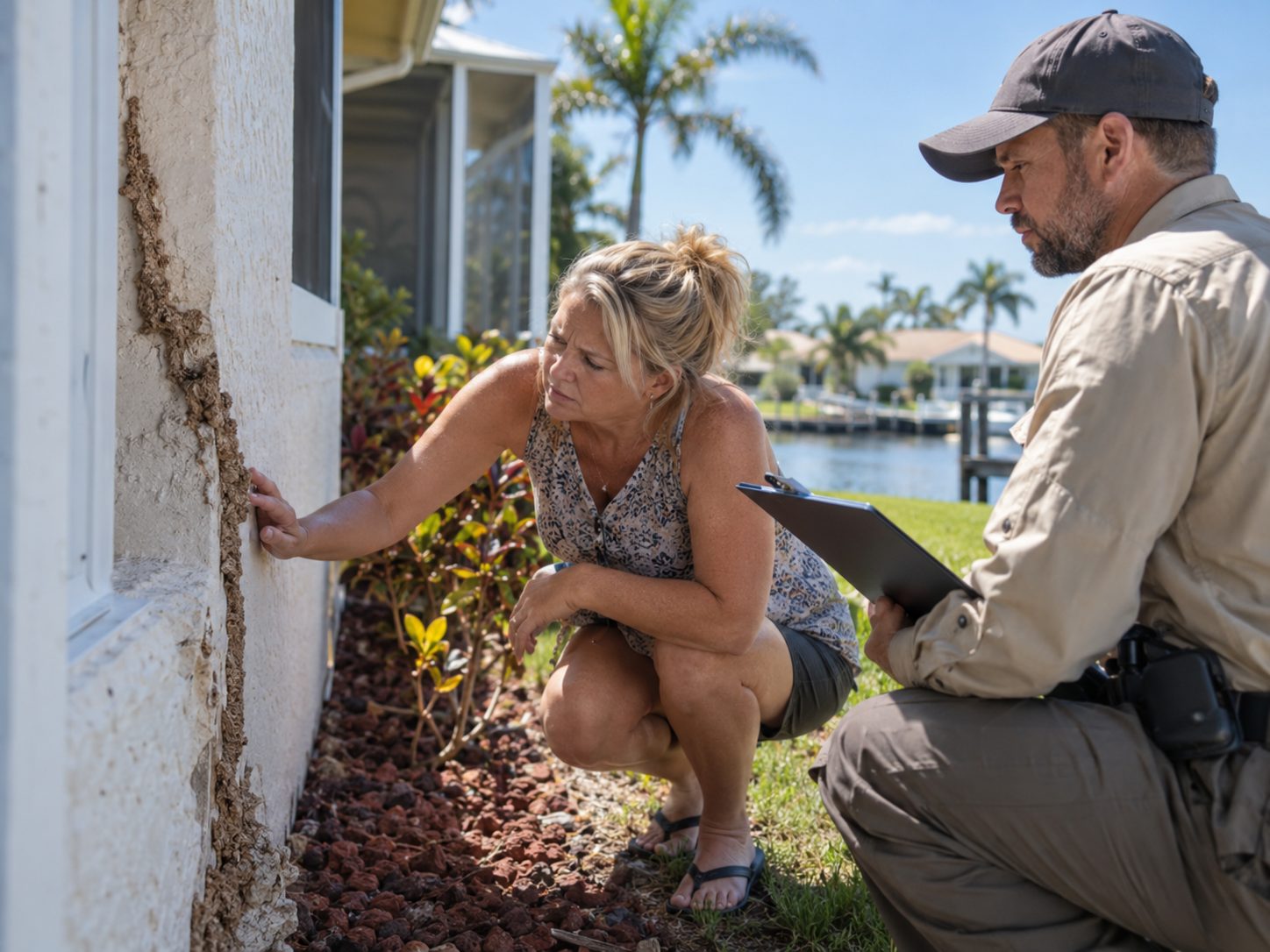
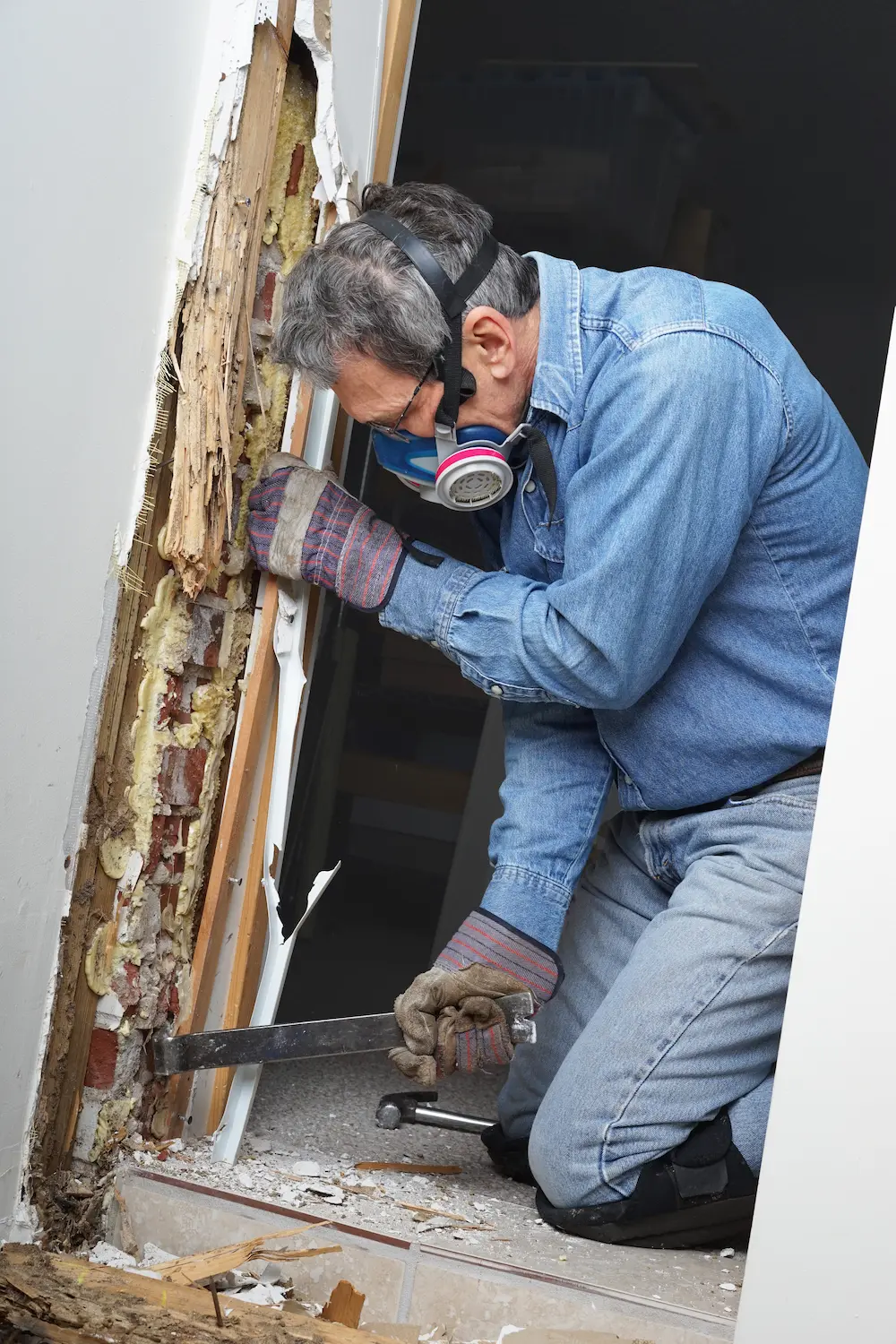
Subterranean termites are the reason so many property owners stop thinking of pest control as a convenience and start seeing it as structural protection. These insects do not simply wander across a kitchen floor and announce themselves. They live below grade, travel in hidden galleries, and feed on wood from the inside out. By the time a homeowner notices bubbling paint, sagging trim, or a soft spot near a door frame, the colony may have been active for months or longer.
That hidden behavior is exactly why professional termite work looks different from general pest work. A technician treating ants or spiders often targets what is visible. A technician dealing with subterranean termites has to think like a builder, a soil specialist, and an investigator. Good Termite Control Services are built around that reality. They focus less on the insect you happen to see and more on the routes the colony uses, the moisture conditions that support it, and the structural vulnerabilities that let it stay undetected.
What makes subterranean termites especially challenging is their relationship with soil. They need moisture, and they use the ground as both shelter and highway. A colony may be established well away from the portion of the home it attacks. Workers travel through mud tubes, expansion joints, plumbing penetrations, cracks in slabs, or wood that touches soil. In practical terms, that means a treatment is rarely just a spray-and-go appointment. It usually involves inspection, diagnosis, and a plan that matches the construction of the building.
Why subterranean termites demand a different approach
Drywood termites and subterranean termites are often discussed together, but they create very different treatment problems. Drywood termites live within the wood they consume, so the response may center on localized wood treatment or structural fumigation in severe cases. Subterranean termites, by contrast, are tied to the ground. Their colonies can contain hundreds of thousands of individuals, sometimes more, and they can exploit tiny structural openings that homeowners would never notice.
In the field, one of the most common misconceptions is that termites only affect older houses or neglected properties. That is not how these insects operate. A newer slab home can be just as vulnerable if grading holds moisture near the foundation, if form boards were left in place after construction, or if landscaping creates wood-to-soil contact. I have seen clean, well-maintained homes with serious termite activity simply because mulch was piled too high against siding and an irrigation line kept the area constantly damp.
This is where professional judgment matters. The presence of termites is one question. The more important question is how they are getting in, how extensive the activity is, and which control method will interrupt the colony’s access without creating unnecessary disruption or leaving critical gaps.
The inspection is the real foundation of treatment
A thorough subterranean termite service starts with inspection, not product selection. That inspection is more detailed than many homeowners expect. The technician is not just searching for insects. They are reading the structure for clues.
Mud tubes on foundation walls are the classic sign, but they are far from the only one. Swollen baseboards, blistered paint, wood that sounds hollow when tapped, distorted door casings, and pinpoints of frass-like material around damaged trim can all raise concern, even though subterranean termites do not leave the same dry pellets associated with drywood termites. Crawl spaces tell their own story. High humidity, condensation on ductwork, leaking sill areas, and scrap wood left under the house all increase risk. Around slab homes, garage expansion joints, bath trap areas, and utility penetrations often deserve extra attention because they can offer concealed entry.
An experienced inspector also evaluates the construction type. A monolithic slab, a crawl space foundation, a basement, an addition with a cold joint, or a decorative stone veneer all change the treatment picture. A brick home with foam insulation below grade presents different access problems than a pier-and-beam house with open visibility beneath the floor system. The best Termite Control Services do not force every house into the same treatment formula. They adapt to the building in front of them.
In many cases, the inspection also includes identifying conducive conditions rather than active infestation alone. This distinction matters. A home may show no live termites on the day of service but still present multiple risk factors that make future infestation likely. Correcting those issues can be as important as the chemical or baiting component of the plan.
Soil treatments, the traditional backbone
For many structures, soil treatment remains one of the most reliable ways to address subterranean termites. The goal is not simply to kill termites that happen to be present that day. The goal is to create a treated zone where termites are likely to travel, reducing their ability to move between the soil colony and the structure.
That sounds straightforward, but execution is technical. A proper soil treatment usually involves trenching along the foundation and, where necessary, drilling through slabs, patios, garage floors, or adjoining concrete to reach soil at key points. The termiticide must be applied at the right volume and in the right locations. If sections are skipped, or if treatment is too shallow, termites can sometimes bypass the barrier.
This is one reason subterranean termite jobs vary so much in price and scope. Treating a small crawl space home with exposed foundation may be relatively direct. Treating a large slab home with multiple porches, attached garages, decorative hardscape, and limited foundation access can be labor-intensive. The complexity is not marketing language. It is tied to whether the technician can actually place material where termites travel.
Modern non-repellent termiticides changed the industry because termites do not readily detect and avoid them. With older repellent products, the concern was often that termites would simply find a gap or reroute around the treated area. Non-repellents allow exposed termites to continue moving through treated soil and transfer the active ingredient within the colony. That does not always mean instant colony elimination, and reputable companies should be careful not to promise that every treatment wipes out every termite underground. What it does mean is better interruption of activity and more dependable structural protection when the work is done correctly.
There are trade-offs. Soil treatments can be highly effective, but they require technical precision and, in some cases, drilling that homeowners may find disruptive. Pavers, finished basements, radiant heat systems, wells, French drains, and certain construction details may limit or complicate treatment. A skilled provider weighs those constraints before recommending a plan.
Baiting systems and when they make sense
Baiting systems take a different route. Instead of creating a continuous treated zone in the soil, stations are installed in the ground around the structure to intercept foraging termites. Once termites begin feeding in the stations, a bait with an insect growth regulator or similar active ingredient is introduced, affecting the colony over time.
The appeal of baiting is easy to understand. It often involves less drilling and can be a strong option where liquid treatment is impractical, restricted, or undesirable. On properties with complex hardscape, near wells or sensitive drainage areas, or around homes where preserving finished surfaces is a priority, bait systems may be especially useful.
But baiting is not a shortcut. It requires monitoring, maintenance, and patience. Subterranean termites must find the stations. That can happen quickly, or it can take time depending on colony foraging patterns, soil conditions, and seasonal activity. Once feeding begins, the control process is also not immediate. Bait systems can be excellent tools, but they work best when the homeowner understands that they are part treatment, part ongoing monitoring program.
In practice, many professionals see baiting not as a competitor to soil treatment but as one option in a broader toolkit. Some structures benefit from one method alone. Others are best served by a hybrid strategy, especially if there is known activity in one section and access limitations elsewhere.
Localized treatments, wood treatments, and spot work
Subterranean termites are usually managed at the soil or colony level, but that does not mean local treatment has no place. If termites are actively attacking a sill plate, porch column, wall void, or expansion joint area, a technician may use foam, dust, or borate-based wood treatment in those targeted zones. This can provide immediate suppression in the damaged area while the broader protection plan addresses the underlying source.
There is an important nuance here. Spot treatment alone is rarely enough for subterranean termites if the colony still has access through soil elsewhere. This is a point that sometimes gets lost in budget conversations. Homeowners naturally ask whether the company can just treat the visible tube under one window or the damaged trim in one room. The honest answer is that isolated visible damage is often only the tip of a larger access problem. Treating that one spot may reduce immediate activity, but it may not protect the rest of the structure.
That said, local work can be extremely valuable as part of a comprehensive plan. In crawl spaces with exposed framing, borate applications to vulnerable wood can add a layer of protection. In wall voids with confirmed activity, foam can reach galleries that surface sprays never would. The best technicians know when spot work is meaningful and when it is merely cosmetic.
Moisture control is not optional
Subterranean termites do not thrive in dry, well-ventilated conditions. Moisture problems do not create termites, but they make structures more hospitable and increase the odds that termites can establish hidden, persistent activity.
This is why the strongest termite programs often include recommendations that have nothing to do with insecticide labels. Fixing a leaking hose bib, redirecting downspouts, improving crawl space ventilation, correcting grading, separating mulch from siding, and replacing water-damaged wood can substantially reduce risk. It is not glamorous work, and some homeowners are disappointed when a termite professional talks about drainage instead of only chemicals. But from a structural protection standpoint, those corrections matter.
I have seen treatments struggle on properties where the underlying water issue remained untouched. One common example is the front flower bed that stays soaked because the irrigation system runs too often and the soil slopes back toward the house. Another is the crawl space with standing water after every heavy rain. In those situations, even a technically sound termite treatment is being asked to carry too much of the burden alone.
A capable provider should explain this clearly. Termite control is most effective when chemical or baiting measures are paired with practical building maintenance.
What a professional service plan often includes
Homeowners are usually less interested in chemistry than in the service process. They want to know what happens before, during, and after treatment. While every company has its own protocols, a sound service plan often includes the following elements:
- A full inspection of accessible interior, exterior, and, when present, crawl space or basement areas.
- Identification of active evidence, previous damage, and conditions that increase termite risk.
- A treatment recommendation based on construction type, infestation pressure, and access limitations.
- Clear explanation of preparation needs, expected disruption, and follow-up schedule.
- Ongoing monitoring or warranty terms, especially for bait systems or annual renewable coverage.
That last point deserves attention. Subterranean termite protection is not always a one-time event that can be forgotten for the next decade. Even after successful treatment, periodic inspection remains wise because landscapes change, moisture conditions shift, additions get built, and termites remain common in many regions. A warranty is only as good as the company’s willingness to inspect properly and stand behind the work.
Repair decisions and what damage really means
Finding termite damage causes understandable anxiety, but damage alone does not always tell you whether the structure is unsafe or whether termites are currently active. I have inspected homes where old termite channels in framing looked alarming but had long since been abandoned. I have also seen trim that appeared minor on the surface yet concealed substantial weakening behind the wall.
That is why repair decisions should be separated from treatment decisions, even though they are related. First, stop active infestation or block access. Then assess what must be repaired, reinforced, or replaced. In some cases, the fix is modest, such as replacing damaged casing or a short run of baseboard. In other cases, especially when sill plates, joists, studs, or roof bearing points are involved, a contractor may need to evaluate structural integrity.
Good Termite Control Services should know where their role ends and where a builder, engineer, or carpenter needs to step in. Overselling repairs is a problem in this industry, but so is minimizing them. The right call depends on location, load, extent of damage, and whether the wood still has enough sound material to perform its function.
Questions worth asking before you hire a company
Not all termite providers work at the same standard. Some are meticulous. Some rely on generic treatment templates regardless of construction. The difference usually shows up in the details of their inspection and explanation.
A homeowner does not need to become a termite expert, but a few practical questions can reveal a lot about the company’s depth. Ask how they determined the treatment zones. Ask whether they found active termites, old damage, or only risk conditions. Ask what portions of the foundation are inaccessible and how that affects protection. Ask whether the proposal uses a liquid treatment, a bait system, or both, and why. Ask what follow-up inspections are included and what would void the warranty.
The quality of the answers matters more than sales polish. Strong professionals are usually specific. They can describe the slab joints they are targeting, the reason drilling is needed near an attached garage, or why a bait system is more appropriate around a well line. Vague assurances are a warning sign, particularly with subterranean termites, where missed details can matter for years.
Prevention is quieter than treatment, but just as important
Once a home has dealt with subterranean termites, owners often become far more aware of Termite Control Services maximumpests.com the small things that increase risk. Stacked firewood against an exterior wall, lattice buried in mulch, fence posts fastened directly to siding, and dense shrubbery trapping moisture against foundation vents all become easier to notice. Prevention is rarely dramatic, but it is effective because it reduces the opportunities termites rely on.
The habits that help most are simple and consistent:
- Keep soil, mulch, and wood materials from contacting siding, trim, or other vulnerable components.
- Manage water by fixing leaks, improving drainage, and avoiding over-irrigation near the foundation.
- Store lumber, cardboard, and firewood away from the structure and off the ground.
- Schedule regular inspections, especially if your area has a known history of termite pressure.
- Address small signs early, because a pencil-width mud tube today is easier to deal with than hidden framing damage next year.
These are not substitutes for professional treatment when termites are active. They are the maintenance habits that make professional work more durable.
What effective termite control looks like over time
The best outcome is not simply dead termites on the day of service. It is a property that remains protected because the colony’s access has been cut off, risk factors have been reduced, and future activity has a strong chance of being caught early. That is a longer view than many homeowners expect, but it is the right one.
Subterranean termites exploit silence. They move behind walls, under slabs, inside hollow block, and along the path of least resistance. Effective Termite Control Services respond with a methodical process that is part detective work, part construction awareness, and part pest management. Inspection identifies the entry patterns. Treatment interrupts movement between colony and structure. Follow-up confirms that the solution is holding. Maintenance reduces the odds of a return.
When that sequence is done well, termite control becomes less about reacting to visible damage and more about protecting the building before the insects can quietly take more of it. For a homeowner, that shift matters. It turns a stressful discovery into a manageable problem, addressed with skill, patience, and a realistic understanding of how subterranean termites actually behave.
Maximum Pest Control
836 NE 7th Terrace Suite #5
Cape Coral, FL 33909
+1 239-772-7363
FAQ About Termite Control Services
What are two signs of a termite infestation?
Mud tubes along a foundation and piles of shed wings near doors or windows are two signs to investigate. Mud tubes are associated with subterranean termites. A licensed inspector can identify the insect and assess whether there is active infestation.
How many years does a termite treatment last?
There is no single timeline for all treatments. The method, site conditions, and maintenance affect how long protection lasts. Bait systems rely on monitoring and service. Ask the provider for the recommended inspection schedule and the terms of any coverage.
Is Termite Treatment Expensive in Cape Coral?
Cost depends on the termite species, the size and construction of the property, the extent of activity, and the treatment method. Request a written estimate after inspection and ask whether monitoring, follow-up visits, and renewals are included.